https://chatgpt.com/gg/v/6932d2fb54481a187dc6198db085ccf?token=Hy55HsgRraU8-J-ko8
Osteoporosis is a silent bone disease that leads to weak, fragile bones and an increased risk of fractures. While it is commonly associated with women, men above 60 years are also at high risk. In fact, many elderly men are diagnosed late because early symptoms are often missed. Understanding the common causes of osteoporosis in old age males and available treatments—including PTH (Parathyroid Hormone) injections—is crucial for prevention, early detection, and long-term bone health.
Common Causes of Osteoporosis in Men Above 60


1. Age-Related Bone Loss
As men age, bone density naturally decreases. After 60, the rate of bone breakdown becomes faster than bone formation. This imbalance gradually weakens bones and increases fracture risk.
2. Low Testosterone Levels
Testosterone plays a major role in maintaining bone mass. Men over 60 frequently experience declining testosterone, leading to:
- Reduced bone density
- Increased bone fragility
- Higher risk of vertebral and hip fractures
Hormonal imbalance is one of the most overlooked causes of osteoporosis in older males.
3. Nutritional Deficiencies
Poor intake of essential nutrients leads to weaker bones. Common deficiencies include:
- Calcium
- Vitamin D
- Protein
Vitamin D deficiency is extremely common in elderly men due to reduced sun exposure, indoor lifestyle, and decreased absorption.
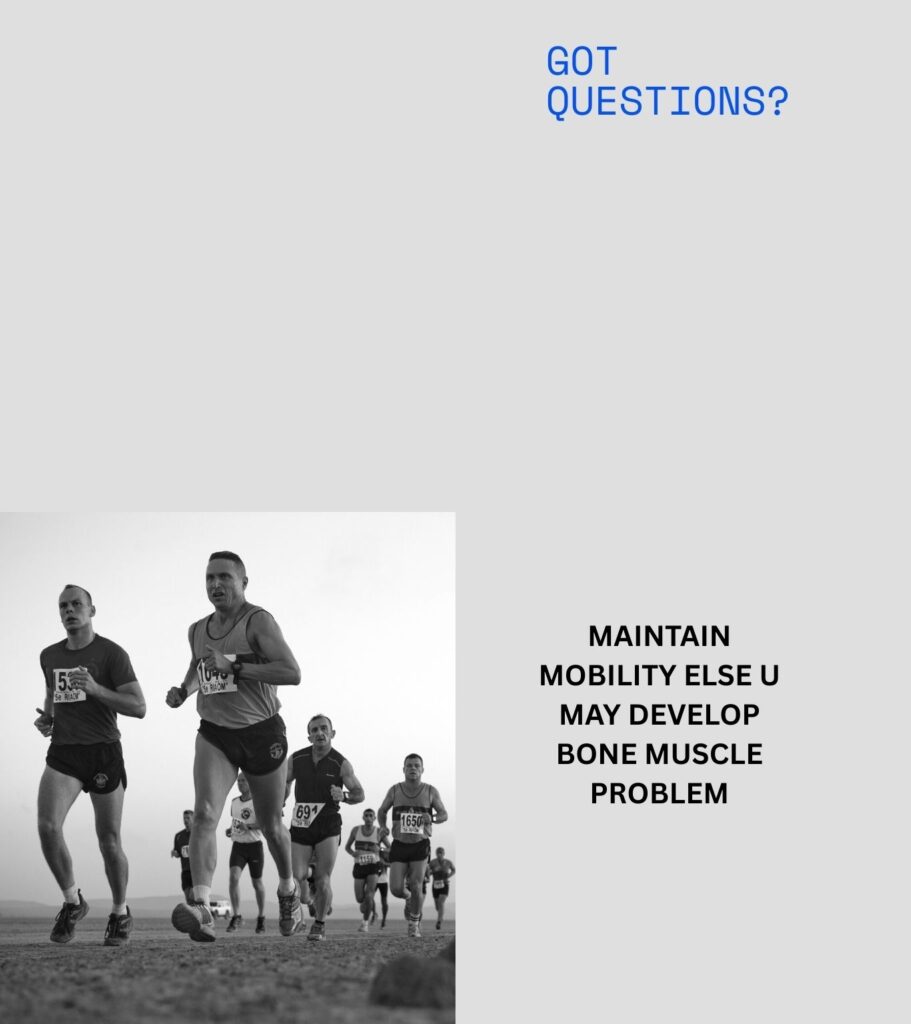
4. Lack of Physical Activity
Sedentary lifestyle is a major contributing factor. Men who avoid weight-bearing exercise experience:
- Faster bone loss
- Reduced muscle strength
- Poor balance, increasing fall risk
5. Smoking and Alcohol Use
Years of smoking and excessive alcohol consumption damage bone cells and slow calcium absorption. These habits drastically increase osteoporosis risk in senior males.
6. Chronic Medical Conditions
Certain long-term illnesses accelerate bone loss, including:
- Diabetes
- Kidney disease
- Rheumatoid arthritis
- Thyroid disorders
Chronic inflammation also weakens bone structure over time.
7. Long-Term Medication Use
Certain medicines increase the risk of osteoporosis in old age males, especially:
- Steroids (prednisolone)
- Anticonvulsants
- Hormone-blocking treatments
These drugs interfere with bone formation and calcium balance.
Treatment of Osteoporosis in Men Above 60
1. Lifestyle and Dietary Management
- Adequate calcium (1000–1200 mg/day)
- Vitamin D supplementation
- Protein-rich diet
- Regular weight-bearing exercises (walking, light weights, yoga)
- Stopping smoking and limiting alcohol
2. Oral Medications
Doctors may prescribe:
- Bisphosphonates
- Calcitonin
- Selective estrogen receptor modulators (SERMs)
These medicines help reduce bone breakdown.
Use of PTH Injection (Parathyroid Hormone Therapy)
PTH injections, such as teriparatide, are one of the most effective treatments for severe osteoporosis in elderly males.
How PTH Injection Helps
- Stimulates new bone formation
- Increases bone density significantly
- Reduces risk of vertebral and hip fractures
- Improves overall bone strength
Who Needs PTH Therapy?
- Men with severe osteoporosis
- Those who fail to respond to other medications
- Individuals with multiple fractures
- Patients with very low bone mineral density (BMD)
How It Is Given
- Daily small injection under the skin
- Typically used for 18–24 months
- Must be followed by maintenance therapy
Conclusion
Osteoporosis in old age males (60+) is common but preventable and treatable. Early diagnosis, lifestyle modification, and advanced treatment options like PTH injections can significantly improve bone strength and reduce fracture risk. Regular check-ups and a proactive approach can help elderly men live stronger, healthier, and more active lives.