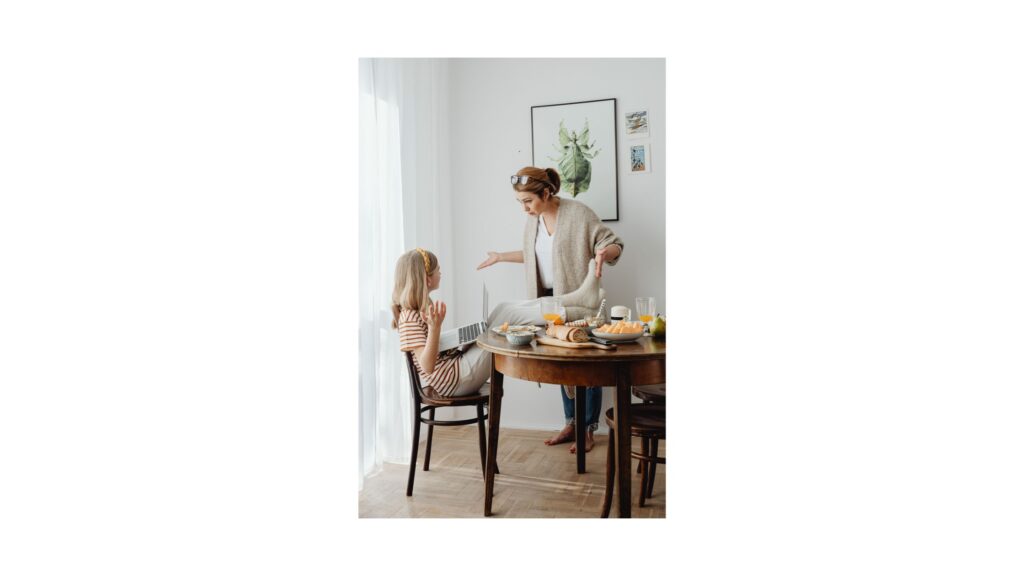
What Are Behavioural Problems in Children?
Behavioural problems in children refer to persistent patterns of unacceptable, disruptive, or challenging behaviour that interfere with their normal functioning at home, school, or in social settings.
Commonly observed behavioural issues in children include:
- Temper tantrums
- Aggression (hitting, biting, shouting)
- Defiance or disobedience
- Attention-seeking behaviour
- Difficulty in following rules or instructions
- Withdrawal or lack of social interaction
These behaviours can be temporary responses to stress or emotional changes but may require intervention if they persist.
Common Causes of Behavioural Problems in Children
There isn’t one single reason for behavioural problems in children — rather, multiple factors can influence a child’s behaviour. Some major causes include:
1. Family Environment
- Lack of parental attention or inconsistent discipline
- Domestic conflicts or parental separation
- Overly strict or permissive parenting styles
2. Emotional and Psychological Factors
- Anxiety or depression
- Low self-esteem or insecurity
- Exposure to trauma or neglect
3. Biological and Genetic Factors
- ADHD (Attention-Deficit Hyperactivity Disorder)
- Autism Spectrum Disorders
- Genetic predisposition to impulsive behaviour
4. School and Peer Pressure
- Bullying or peer rejection
- Academic stress or learning difficulties
- Lack of emotional support at school
Types of Behavioural Problems in Children
Here are some of the most common types of behavioural problems in children:
1. Oppositional Defiant Disorder (ODD)
Children with ODD often:
- Argue with adults and refuse to follow rules
- Display anger, resentment, and stubbornness
- Blame others for their mistakes
2. Conduct Disorder (CD)
A more severe behavioural issue, CD involves:
- Aggressive or violent behaviour towards others
- Damaging property or stealing
- Persistent rule-breaking
3. Attention-Deficit Hyperactivity Disorder (ADHD)
Children with ADHD may:
- Struggle with concentration
- Be overly active or impulsive
- Have trouble completing tasks or sitting still
4. Anxiety and Emotional Disorders
Sometimes, behavioural problems in children mask deeper emotional issues:
- Social withdrawal
- Fear of separation
- Excessive worry or phobias
Early Warning Signs to Watch Out For
Parents should be alert if their child:
- Has frequent mood swings
- Shows aggression or withdrawal
- Has difficulty maintaining friendships
- Experiences sudden drop in school performance
- Lies or breaks rules often
Early detection allows for timely support and prevents long-term emotional damage.
How to Manage Behavioural Problems in Children
Managing behavioural problems in children requires patience, consistency, and understanding. Here’s a practical step-by-step guide:
1. Positive Parenting
- Reward good behaviour with praise or small rewards.
- Avoid shouting or harsh punishments — they worsen defiance.
- Encourage open communication and listening.
2. Consistent Discipline
- Set clear boundaries and rules.
- Be firm yet kind when enforcing consequences.
- Ensure both parents follow the same disciplinary approach.
3. Emotional Support
- Help children label and understand their emotions.
- Teach coping strategies like deep breathing or journaling.
- Be available to talk when they are upset or anxious.
4. Healthy Lifestyle
- Ensure adequate sleep, nutrition, and physical activity.
- Reduce screen time and promote outdoor play.
- Maintain a calm and structured daily routine.
5. Professional Help
Seek help from:
- Child psychologists or counsellors for emotional therapy
- Behavioural therapists for behaviour modification programs
- Paediatricians or psychiatrists if medical evaluation is needed
Role of Schools in Managing Behavioural Problems
Teachers and schools play a key role in identifying and supporting children with behavioural challenges. Schools can:
- Create inclusive classrooms with empathy-based learning
- Implement counselling and mentorship programs
- Train teachers in behaviour management strategies
- Collaborate with parents for consistent home–school support
Prevention: How to Nurture Positive Behaviour in Children
Prevention is always better than cure. Here’s how parents can help prevent behavioural problems in children:
- Build a loving and supportive home environment
- Encourage positive communication and active listening
- Model good behaviour — children imitate what they see
- Teach problem-solving and conflict-resolution skills
- Celebrate achievements, no matter how small
When to Seek Professional Help
Consult a child behaviour specialist if your child’s:
- Behaviour disrupts family life or school performance
- Aggression, lying, or defiance persists for months
- Mood changes are frequent and intense
- You feel helpless or unable to manage their behaviour
Early intervention and therapy can help children learn emotional control and positive behaviour patterns.