What Is Normal Height Growth in Adolescents?
Height growth during adolescence depends on genetics, nutrition, hormonal balance, and overall health.
Normal Growth Pattern
- Growth spurts usually begin:
- Girls: 9–13 years
- Boys: 11–15 years
- Average yearly height increase:
- Girls: 6–8 cm/year
- Boys: 7–10 cm/year
- Growth typically continues until:
- Girls: 14–16 years
- Boys: 16–18 years (sometimes up to 21)
If growth is significantly slower than expected, it may indicate a height gain problem.
Common Height Gain Problems in Adolescents
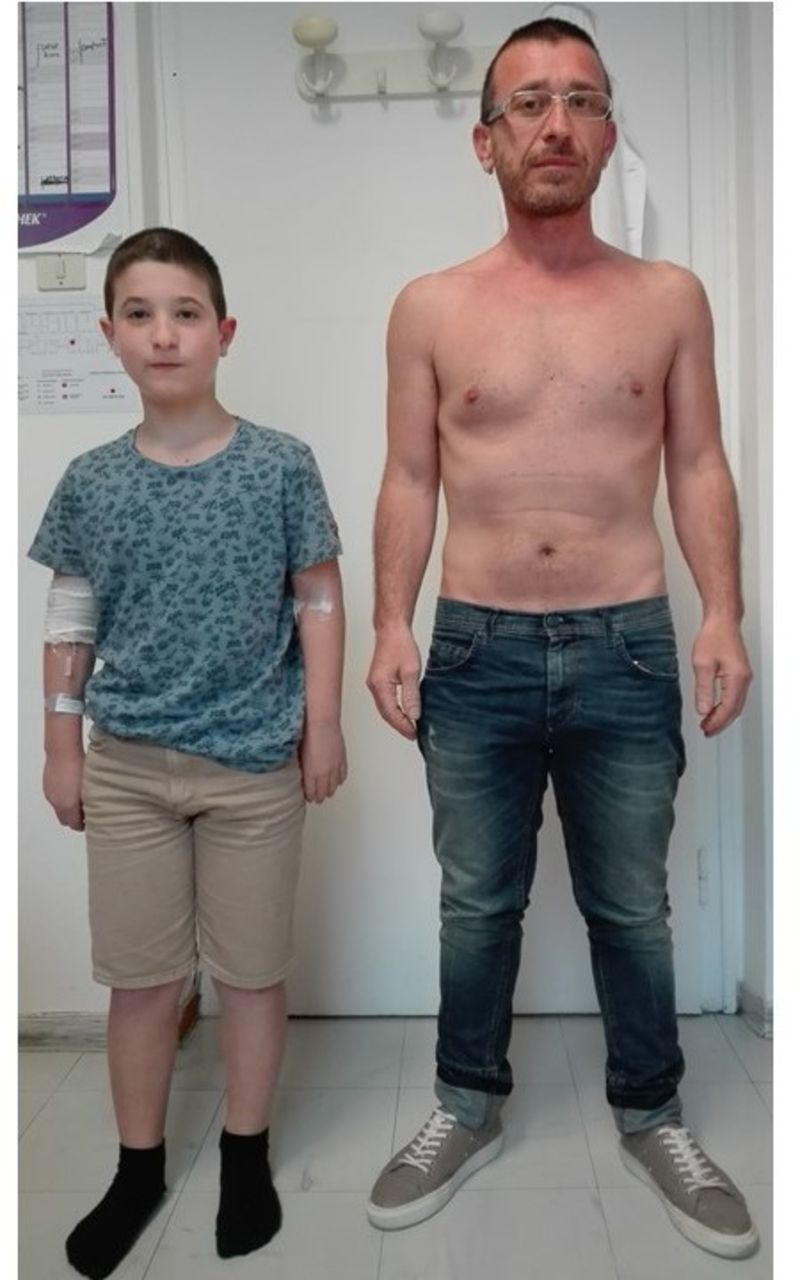


1. Short Stature
- Height below the 3rd percentile for age and gender
- Often noticed when peers grow taller rapidly
2. Delayed Growth Spurt
- Late onset of puberty
- Temporary delay but may normalize later
3. Growth Plateau
- Sudden halt in height gain for 6–12 months
- Requires evaluation if prolonged
Major Causes of Height Gain Problems
Understanding the root cause helps in effective management.
1. Genetic Factors
- Family history of short stature
- Parental height strongly influences final adult height
2. Nutritional Deficiencies
- Low intake of:
- Proteins
- Calcium
- Vitamin D
- Zinc and Iron
- Poor diet or excessive junk food consumption
3. Hormonal Imbalance
- Growth hormone deficiency
- Thyroid disorders
- Delayed or early puberty
4. Chronic Medical Conditions
- Asthma (long-term steroid use)
- Celiac disease
- Chronic kidney or heart disease
5. Poor Lifestyle Habits
- Lack of physical activity
- Inadequate sleep
- Excessive screen time
6. Psychological Stress
- Academic pressure
- Emotional trauma
- Anxiety and depression affecting appetite and sleep
Signs That Need Medical Attention
Parents should consult a doctor if an adolescent shows:
- No height gain for more than 1 year
- Height much shorter than peers
- Delayed puberty signs
- Extreme fatigue or poor appetite
- Weight loss with poor growth
Diagnosis of Height Gain Problems
Doctors assess growth through:
Clinical Evaluation
- Growth chart analysis
- Family height history
- Puberty assessment
Investigations (if required)
- Blood tests (hormones, nutrition)
- Bone age X-ray
- Thyroid and growth hormone evaluation
Treatment and Management Options
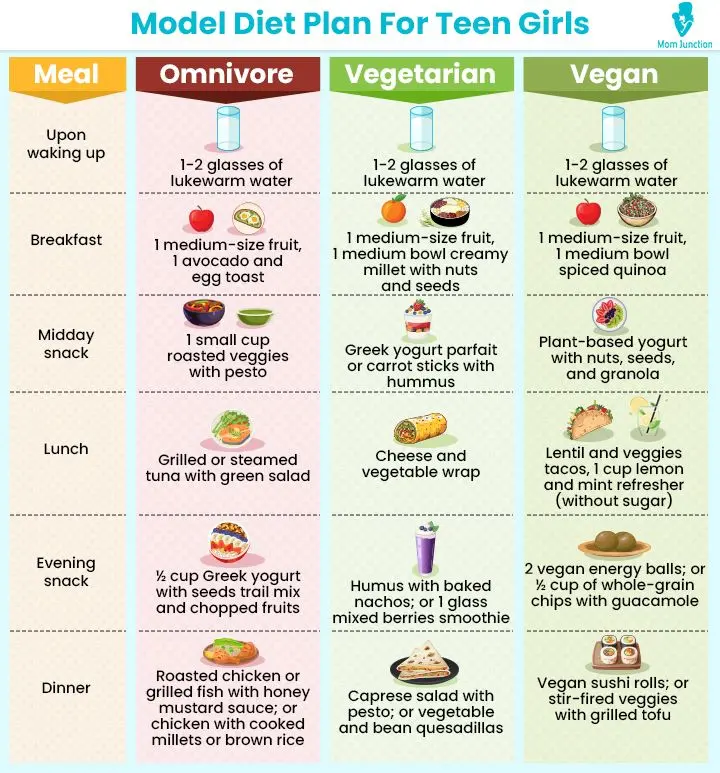


1. Nutritional Improvement
- Balanced diet rich in:
- Milk, curd, paneer
- Eggs, pulses, soy
- Fruits and green vegetables
- Avoid excessive fast food and sugary drinks
2. Physical Activity
Encourage daily exercise:
- Skipping
- Swimming
- Cycling
- Stretching and yoga
- Outdoor sports (basketball, volleyball)
3. Adequate Sleep
- 8–10 hours of sleep daily
- Growth hormone is released during deep sleep
4. Medical Treatment
- Hormone therapy (only if prescribed)
- Treat underlying medical conditions
- Vitamin and mineral supplementation when needed
⚠️ Note: Self-medication or unverified height-increase products should be avoided.